

Oral Hygiene in Metairie, LA
Oral hygiene in Metairie, Louisiana, involves daily home care and routine dental visits that work together to keep teeth and gums healthy. At Smile Solutions DMD, patients receive clear guidance on preventive steps that reduce cavities, gum disease, and bad breath while supporting long-term oral health.
Oral Hygiene Explained
Oral hygiene is the combined practice of at-home cleaning and professional care to control dental plaque, the soft biofilm that forms on teeth. When plaque hardens into tartar, only a dental cleaning can remove it. If not addressed, this buildup raises the risk of cavities and periodontal disease. Many patients search for what is plaque and tartar and how each affects teeth and gums. The answer is simple: Plaque is a sticky film you brush away daily, while tartar is mineralized plaque that requires professional removal.
Good oral hygiene supports fresh breath, comfortable chewing, and healthy gums. It also benefits overall wellness by lowering inflammation in the mouth, which can have systemic effects.
Small Habits, Lasting Results
Good oral hygiene is the combination of daily home care and routine professional cleanings. Together they control plaque, the soft film that forms on teeth every day.
When plaque hardens into tartar, only a professional cleaning can remove it, which is why home care and regular visits work best as a pair.
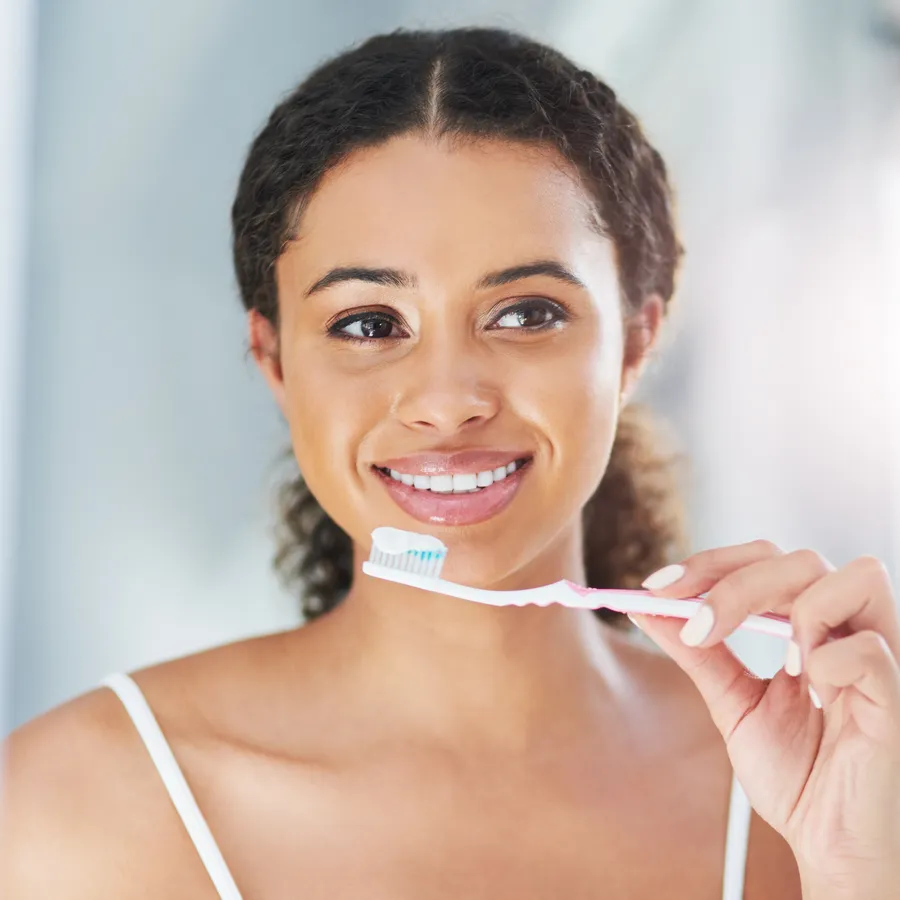
Benefits of Consistent Oral Hygiene
- Fewer cavities due to reduced plaque and stronger enamel.
- Healthier gums with less bleeding, swelling, and tenderness.
- Fresher breath from controlling odor-causing bacteria.
- Brighter teeth by limiting surface stains and buildup.
- Lower risk of emergency dental visits through prevention.
- Support for overall health by reducing oral inflammation.
Gums Bleeding When You Brush?
That is worth checking. Early gum inflammation is usually reversible with the right care.
What We Check at Every Visit
Your hygiene routine is reviewed alongside your gum health so recommendations are practical and specific to you, not generic advice.
- Gum measurements and bleeding points
- Areas that are hard to reach at home
- Technique tips tailored to your mouth
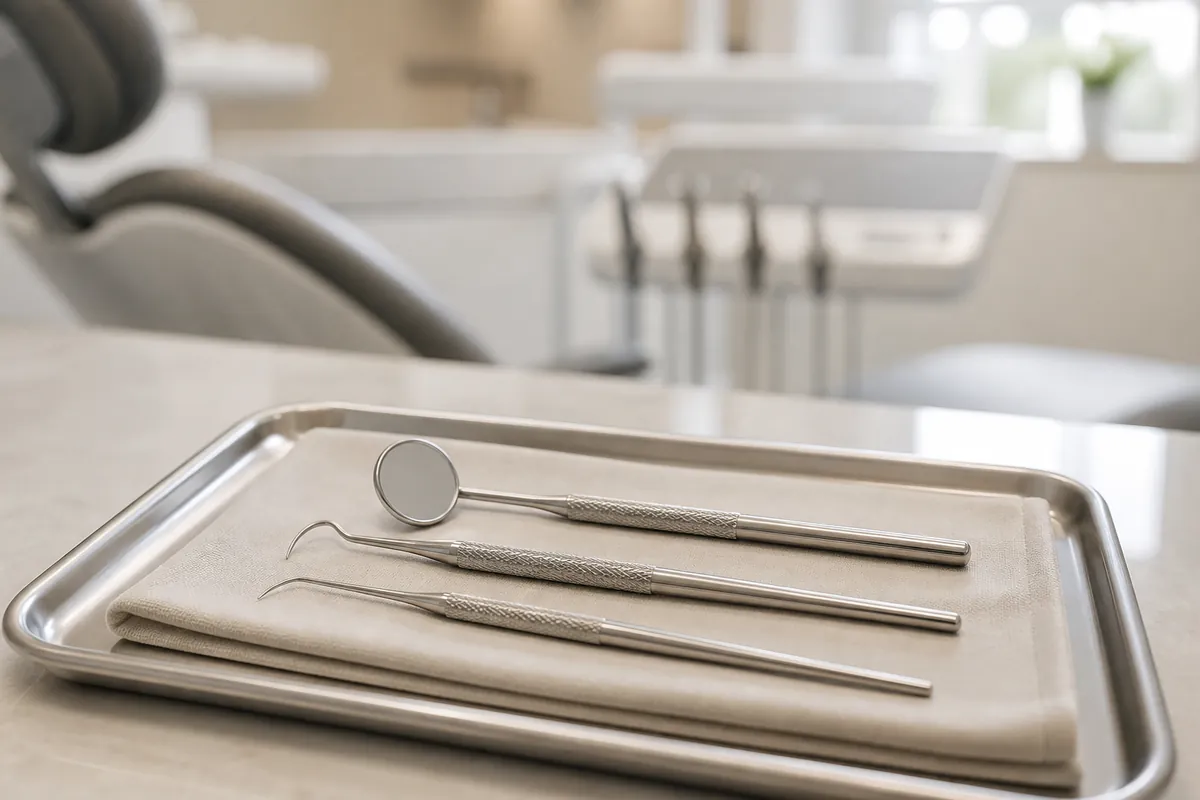
How Oral Hygiene Works Day to Day and at Checkups
Daily Home Care
- Brush twice a day for two minutes with fluoride toothpaste using gentle, short strokes along the gumline.
- Clean between teeth once daily with floss or a water flosser to remove plaque your brush cannot reach.
- Know the difference between mouthwash vs flossing and use each for its role, not as substitutes.
- Consider a fluoride rinse if recommended for added cavity protection.
- Clean your tongue to reduce odor-causing bacteria and improve breath.
- Limit sugary snacks and acidic drinks and choose water often throughout the day.
- Replace your toothbrush head every three months or sooner if bristles fray.
In-Office Preventive Care
- Comprehensive exam and risk assessment to check for cavities, early gum disease, and oral cancer signs.
- Professional cleaning to remove plaque and tartar with scaling and polishing that smooths tooth surfaces.
- Topical fluoride treatment when appropriate to strengthen enamel and reduce sensitivity.
- Dental sealants for molars to shield deep grooves from decay, helpful for children and some adults.
- Personalized guidance by our dentist and team on proper brushing and flossing technique tailored to your mouth.
- Recommendations on how often to get dental cleanings based on your risk, usually every three to six months.
What to Expect at a Preventive Visit
A typical checkup and cleaning lasts about 45 to 60 minutes. After a brief review of your health history, the dental team will examine your teeth and gums, take X-rays as needed, and measure the gums to screen for periodontal disease. Scaling removes tartar above and below the gumline, followed by polishing to clear surface stains. A fluoride application may be placed to reinforce enamel. Mild sensitivity during or after the visit is common and usually fades within a day.
Patients often ask how does gum disease start. It usually begins with plaque left along the gumline that triggers inflammation called gingivitis. With time, this can progress to periodontitis, which can damage the bone that supports teeth. Consistent oral hygiene interrupts this process.
Signs You Might Need Sooner Care
- Bleeding gums when brushing or flossing.
- Persistent bad breath or a bad taste.
- Sensitivity to cold or sweet foods.
- Gum recession or loose teeth.
- Plaque buildup or staining you cannot remove at home.
Schedule a Hygiene Visit
Contact Smile Solutions DMD at 504-613-5100 to schedule a cleaning and personalized guidance.

Frequently Asked Questions About Oral Hygiene
Helpful Answers to Common Questions
Most people benefit from a cleaning every six months, but those with a higher risk of cavities or gum disease may need visits every three to four months. The interval is customized after your initial exam and consultation with our [dr_type].
Use a soft-bristled brush with fluoride toothpaste and angle bristles toward the gumline. Make short, gentle strokes for two minutes. Floss by sliding the string under the gumline and hugging each tooth in a C-shape. An electric brush or water flosser can help if dexterity is limited.
Fluoride is safe when used as directed and benefits both children and adults by hardening enamel and reducing sensitivity. Varnishes or high-fluoride toothpaste may be recommended if you have frequent cavities.
Water flossers are excellent for cleaning around braces, bridges, and implants, and they improve gum health. However, many people still benefit from traditional floss to remove sticky plaque between tight contacts.
Yes. Sealants protect the deep grooves of molars where toothbrush bristles cannot reach. They are common for kids but can help some adults who are prone to decay in these areas.
Frequent sugar and acid exposure fuels cavity-causing bacteria. Choosing water, limiting sweet snacks, and timing treats with meals can reduce your risk. For clear guidance on oral hygiene in [city], [st], contact [practice_name] at <a href="tel:[phone]">[phone]</a> and schedule a visit with Dr. [doctor_name].