

Dental Bridges in Metairie, LA
Dental bridges in Metairie, Louisiana, are a time-tested way to replace one or more missing teeth with a fixed, natural-looking solution. At Smile Solutions DMD, patients can explore how bridges restore chewing, stabilize the bite, and improve speech clarity. This page explains what a dental bridge is, the types available, how treatment works, and what to expect from care and maintenance.
What Is a Dental Bridge?
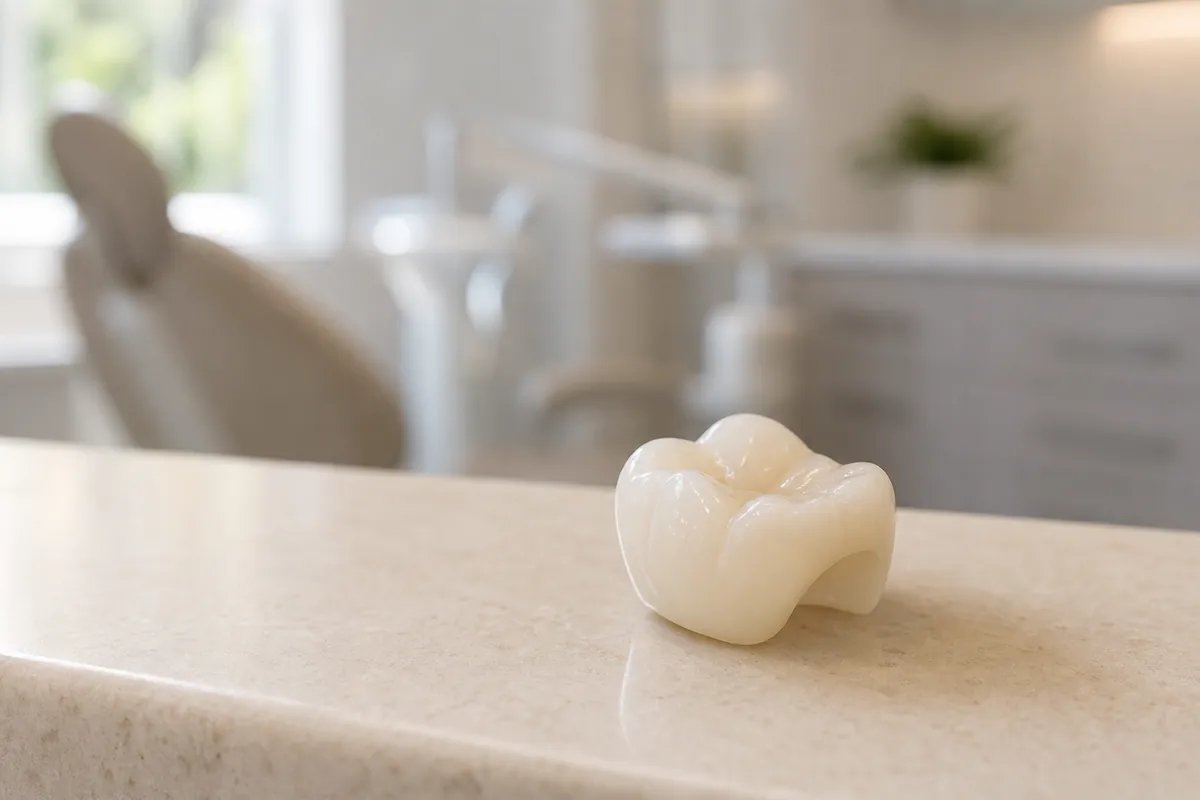
A dental bridge is a custom restoration that closes a gap where teeth are missing. The bridge holds one or more replacement teeth, called pontics, and secures them to neighboring teeth or dental implants for stability. Traditional bridges use the teeth on either side of the space (abutment teeth) as anchors. Our dentist will prepare these teeth and cover them with crowns that connect to the pontic. In cases where adjacent teeth are not ideal anchors, implant-supported bridges can provide support without relying on natural teeth.
Bridges are made from durable materials such as porcelain fused to metal or all-ceramic options that blend with surrounding enamel. Many patients choose bridges to replace a single missing tooth or a short span of teeth when gums are healthy and the bite is stable.
Closing the Gap Left by a Missing Tooth
A bridge spans the space where a tooth is missing, supported by the teeth on either side or by dental implants. It restores chewing function and keeps your bite balanced.
Left unaddressed, a gap allows nearby teeth to shift over time, which can affect how your teeth meet and make cleaning more difficult.
Benefits of Dental Bridges
- Restore chewing so meals feel comfortable and efficient.
- Maintain facial shape by supporting lips and cheeks.
- Prevent neighboring teeth from drifting into the gap.
- Improve speech clarity by filling spaces that affect certain sounds.
- Provide a fixed, non-removable solution that feels secure.
- Offer a natural appearance that matches neighboring teeth.
Ready to Fill That Gap?
A consultation compares bridges, implants, and partials so you can choose what fits best.
Caring for Your Bridge
With good daily care, a bridge can serve you well for many years. We show you how to clean beneath and around it so the supporting teeth and gums stay healthy.
- Daily cleaning under the bridge
- Regular checkups to monitor supporting teeth
- Guidance on foods that protect your restoration

Types of Dental Bridges and Options
Several designs are used based on your needs:
- Traditional bridge: Uses crowns on two adjacent teeth to hold one or more pontics.
- Cantilever bridge: Anchors on only one adjacent tooth when space is limited.
- Maryland (resin-bonded) bridge: Uses a metal or ceramic wing bonded to the backs of adjacent teeth, often for a front-tooth replacement.
- Implant-supported bridge: Uses one or more implants as anchors, avoiding reshaping neighboring teeth and helping support bone.
Choosing between a bridge and an implant often depends on gum health, bone support, number of missing teeth, and timeline. A dental bridge can be completed in weeks, while implants require a longer healing period. Both options restore function; implants also help preserve jawbone volume over time.
The Dental Bridge Process
The typical sequence includes:
- Consultation and evaluation: Our dentist will start by reviewing goals, examining gums and teeth, and taking X-rays or scans.
- Tooth preparation: For a traditional bridge, a small amount of enamel is reshaped on the anchor teeth to make room for crowns.
- Impressions or digital scans: Detailed models guide the lab in crafting the custom bridge.
- Temporary bridge: A provisional bridge protects teeth and maintains appearance while the final bridge is made.
- Try-in and placement: The final bridge is adjusted for bite and comfort, then bonded or cemented in place.
What to Expect and Aftercare
Mild sensitivity after preparation is common and usually settles within days. Over-the-counter pain relief and a soft diet help early on. Once placed, a bridge should feel stable during chewing and speaking.
Daily care protects the bridge and surrounding teeth. Brush twice daily with fluoride toothpaste, and clean under the pontic using a floss threader, interdental brush, or water flosser. Attend routine checkups and cleanings to monitor the bite and margins. With consistent care and healthy gums, a well-made bridge can last many years. Avoid very hard or sticky foods, manage clenching or grinding with a night guard if recommended, and seek prompt care if the bridge ever feels loose.
Many patients search “what is a dental bridge,” “how does a dental bridge work,” “types of dental bridges,” “dental bridge vs implant,” “benefits of dental bridges,” and “caring for a dental bridge.” The sections above address each topic to help you make an informed decision.
Schedule Your Bridge Consultation
Contact Smile Solutions DMD at 504-613-5100 to schedule a visit with our restorative dentist.

Frequently Asked Questions About Dental Bridges
Helpful Answers to Common Questions
Many bridges last 5 to 15 years or longer. Lifespan depends on gum health, oral hygiene, bite forces, diet, and regular professional care.
Yes. Shade and shape are matched to nearby teeth. All-ceramic options can provide excellent translucency and a lifelike result, especially in the front.
Local anesthesia keeps you comfortable during preparation. Some temporary sensitivity is normal and improves as tissues heal and the bite settles.
Use a floss threader, super floss, interdental brush, or a water flosser to clean beneath the pontic each day, along with routine brushing and fluoride toothpaste.
Both restore function and appearance. A bridge can be faster and may be ideal when adjacent teeth also need crowns. Implants help preserve bone and do not involve neighboring teeth.
Healthy gums, adequate support from adjacent teeth or implants, and a stable bite are key factors. A dental exam will confirm the best option for your situation. Have questions about dental bridges in [city], [st]? Contact [practice_name] at <a href="tel:[phone]">[phone]</a> to schedule a visit with Dr. [doctor_name] and discuss your treatment options.