

Restorative Dentistry in Metairie, LA
Restorative dentistry at Smile Solutions DMD helps repair or replace damaged and missing teeth so everyday function and comfort feel normal again. Patients can expect clear guidance on options like fillings, crowns, bridges, dentures, root canal therapy, dental implant restorations and more, along with what each procedure involves and how to care for results long term.
Restorative Dentistry Services We Offer:
Rebuilding Function and Comfort
Restorative dentistry repairs damaged teeth and replaces missing ones so eating and speaking feel normal again. Treatment ranges from fillings to full-arch replacement.
Every plan considers your gums, bite, and remaining tooth structure together, so the result works as a whole rather than one tooth at a time.
Restorative Dentistry Explained
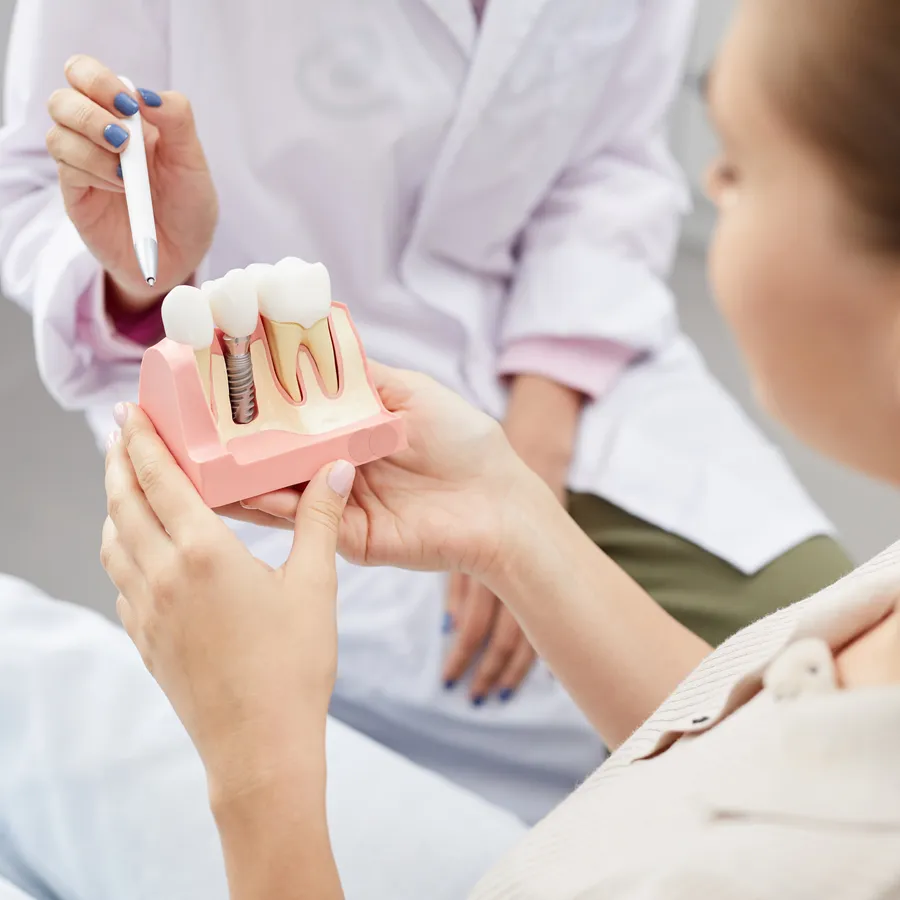
Restorative dentistry in Metairie, Louisiana, focuses on rebuilding tooth structure, restoring strength, and replacing missing teeth. It addresses common concerns such as cavities, cracks, wear, infection, and tooth loss. Treatments range from conservative approaches like tooth-colored fillings and inlays or onlays to full-coverage crowns, bridges that span a gap, complete and partial dentures, and restorations placed on dental implants. Materials may include composite resin, porcelain, ceramic, zirconia, and gold alloys—each selected for durability, fit, and appearance.
Many patients search for “what is restorative dentistry,” “types of dental fillings,” and “benefits of dental crowns and bridges.” These services not only improve chewing and speech but also protect remaining tooth structure, stabilize the bite, and support jaw joint health. Restorative care can also enhance smile aesthetics by recreating natural tooth shape and color while prioritizing function.
Damaged or Missing Teeth?
An evaluation clarifies which restorative options fit your situation and priorities.
Care Explained Before It Begins
Dr. Pierce reviews findings with you and explains the options, including what each approach involves and how long it takes, before any treatment starts.
- Clear discussion of alternatives
- Staged plans when healing time is needed
- Follow-up to confirm comfort and fit
How Restorative Dentistry Can Help You
- Relieves discomfort from decay, fractures, and worn enamel.
- Restores chewing efficiency so you can enjoy a wider range of foods.
- Prevents further damage by sealing and strengthening teeth.
- Stops neighboring teeth from shifting into gaps after tooth loss.
- Improves speech clarity and overall oral function.
- Provides natural-looking results with modern materials and techniques.
The Restorative Dentistry Process
Evaluation And Planning
Your consultation with our dentist begins with a comprehensive exam, X-rays, and often digital scans to assess tooth structure, gums, bite alignment, and bone support. Findings guide a personalized plan that may combine treatments, sequence visits for comfort and timing, and address questions such as “how does a root canal work” or “bridge vs implant.”
Tooth Repair
For small to moderate decay or chips, a composite filling rebuilds the area after decay removal. Inlays, onlays or crowns are recommended when a larger portion of the tooth needs reinforcement. A crown covers the entire tooth after shaping and an impression or scan; a temporary crown protects the tooth while the lab crafts the final restoration.
Saving A Tooth With Root Canal Therapy
When the dental pulp is inflamed or infected, root canal therapy removes bacteria and injured tissue inside the root, then seals the canals to prevent reinfection. A crown is typically placed to restore strength and longevity.
Replacing Missing Teeth
Bridges anchor to neighboring teeth to fill a gap. Dentures replace multiple or all missing teeth and can be removable or supported by dental implants for added stability. Implant restorations attach to titanium posts that integrate with bone, offering a secure, natural-feeling solution.
Your Restorative Dentistry Experience
During procedures, local anesthesia numbs the area for comfort. Mild pressure or vibration is common, but sharp pain should not occur. After a filling or crown, temporary sensitivity to cold or chewing often improves within days to weeks. After root canal therapy, tenderness is normal for several days and usually managed with over-the-counter pain relief as directed. For bridges, dentures, or implant restorations, expect an adjustment period while speech and chewing adapt. Soft foods, careful bite testing, and following home-care instructions support a smooth recovery.
Good oral hygiene is essential to protect your investment. Brush twice daily with a fluoride toothpaste, clean between teeth with floss or interdental brushes, and use recommended rinses. For dentures, remove and clean them daily, and keep gums and any remaining teeth clean. Regular checkups allow monitoring of wear, bite forces, and gum health so restorations last as long as possible.
Schedule a Restorative Consultation
Contact Smile Solutions DMD at 504-613-5100 to schedule a visit with our restorative dentist.

Frequently Asked Questions About Restorative Dentistry
Helpful Answers to Common Questions
Yes. Modern composite fillings bond to enamel, preserve more natural tooth structure, and provide excellent strength for small to moderate cavities. Longevity depends on cavity size, bite forces, and home care.
With proper hygiene and routine checkups, crowns often last 10 to 15 years or more. Avoiding hard objects like ice, treating clenching or grinding, and maintaining gum health can extend their lifespan.
Local anesthesia keeps you comfortable during treatment. Post-procedure soreness is common but generally mild and short lived. Most patients report relief from the original toothache.
It depends on bone health, the condition of neighboring teeth, medical history, and personal goals. Implants replace a single tooth without touching adjacent teeth, while bridges can be ideal when surrounding teeth also need crowns.
Temporary sensitivity to temperature or chewing pressure can occur and usually settles within days to a few weeks. Following bite checks, using a soft-bristle brush, and avoiding very hard foods early on can help.
Rinse after meals, brush with a soft denture brush, and soak as recommended. Clean gums and any remaining teeth daily. Bring dentures to regular visits for fit checks and maintenance. For more information about restorative dentistry in [city], [st], and to schedule a consultation with our [dr_type], Dr. [doctor_name], contact [practice_name] at <a href="tel:[phone]">[phone]</a>.